
What old things do

I have spent several weeks this Spring helping an older relative clean out an old shop. This shop was built sometime in the 1920s and originally served as a lambing barn. It was converted to a shop in the 1930s and was expanded into the to its current form in the 1970s. Since it became a shop it has been a hub for tools, parts, and everything else you need to keep the mechanical aspects of a ranch running.
While we were cleaning, we played a game of “what is this?” wherein I would hold up a… something… an item I didn’t recognize and ask “what is this?” The goal was to see whether this older relative could identify it.
Now to be fair, I call this a “game.” But I wasn’t keeping score and he didn’t know he was playing. So really it was more “just fun for me” and less any kind of recognizable game with rules and teams and such.
Over the course of several weeks and thousands of parts, tools, gadgets (homemade or otherwise), there were a grand total of no more than five items in that nearly hundred year old shop which my relative could not identify.1
This skill set made me stop and think.
And to clarify: I’ve lumped everything together in the “shop” as one monolithic category. But the kinds of things we came across were staggeringly diverse. There were parts for:
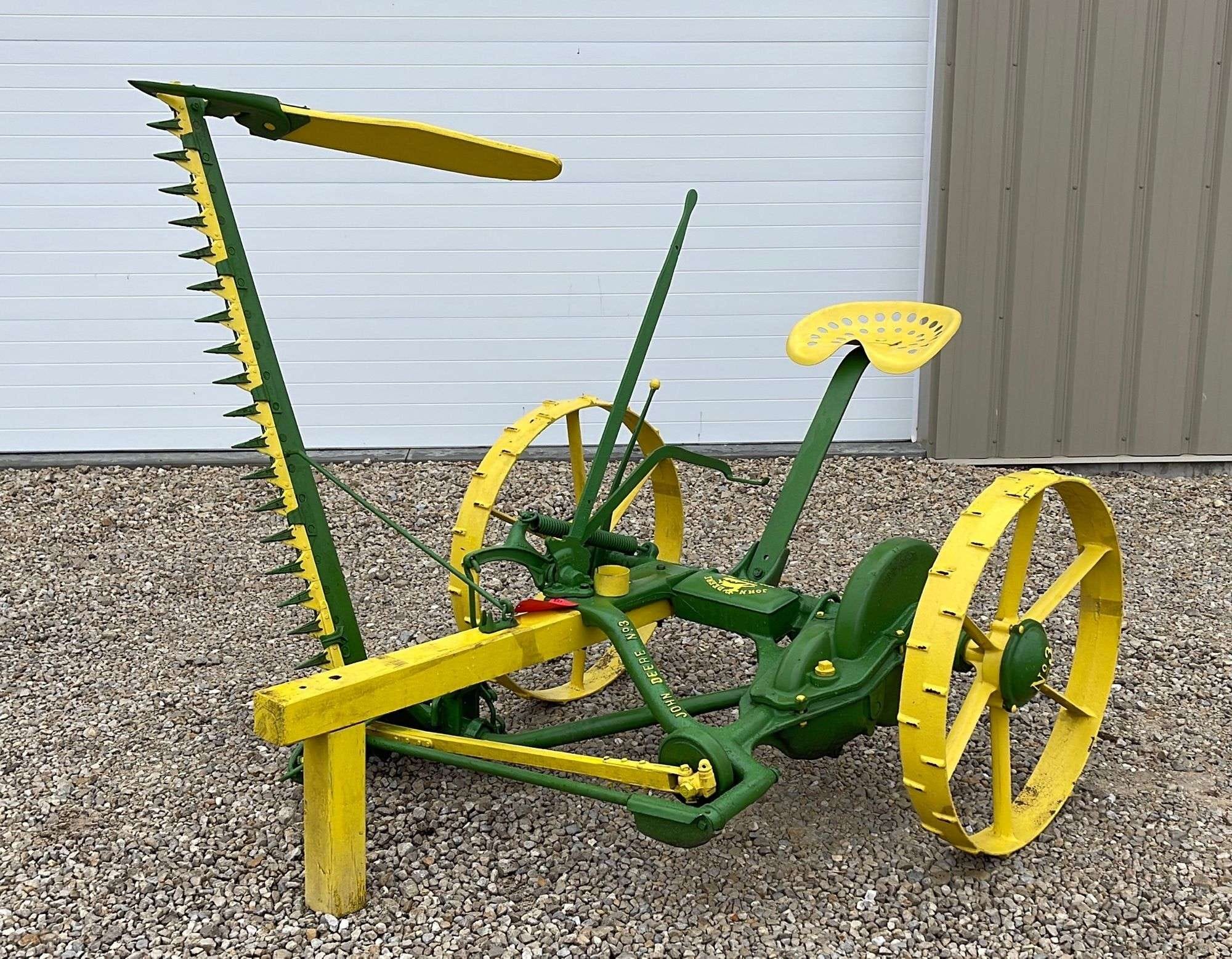
a 1930s John Deere mower made in Moline, Illinois:2
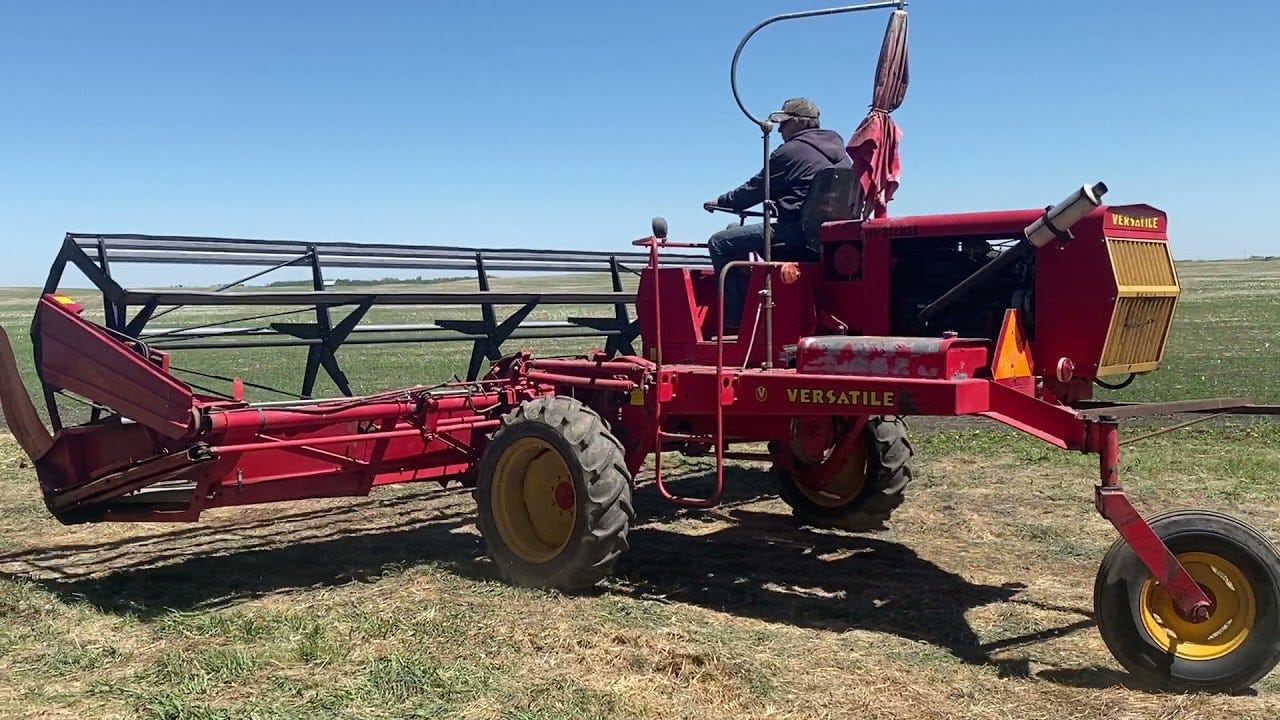
a 1970s Versatile swather (which I drove for several years):
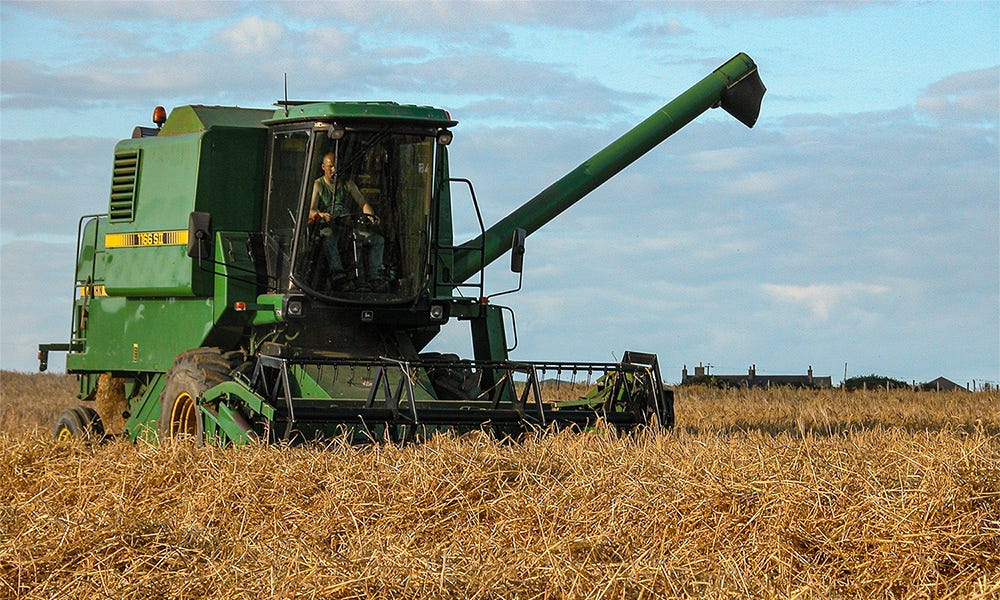
a 1990s John Deere combine (which I did not drive)
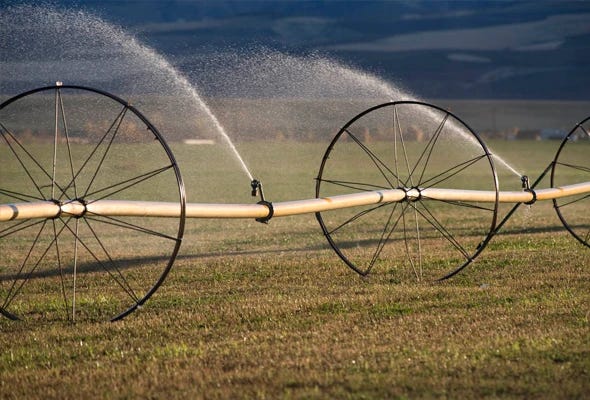
a sprinkler head for a 1990s wheel line irrigation system (which I spent lots of time pushing across the field)
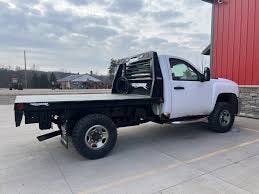
a brake pad for a 2010 Chevy flatbed
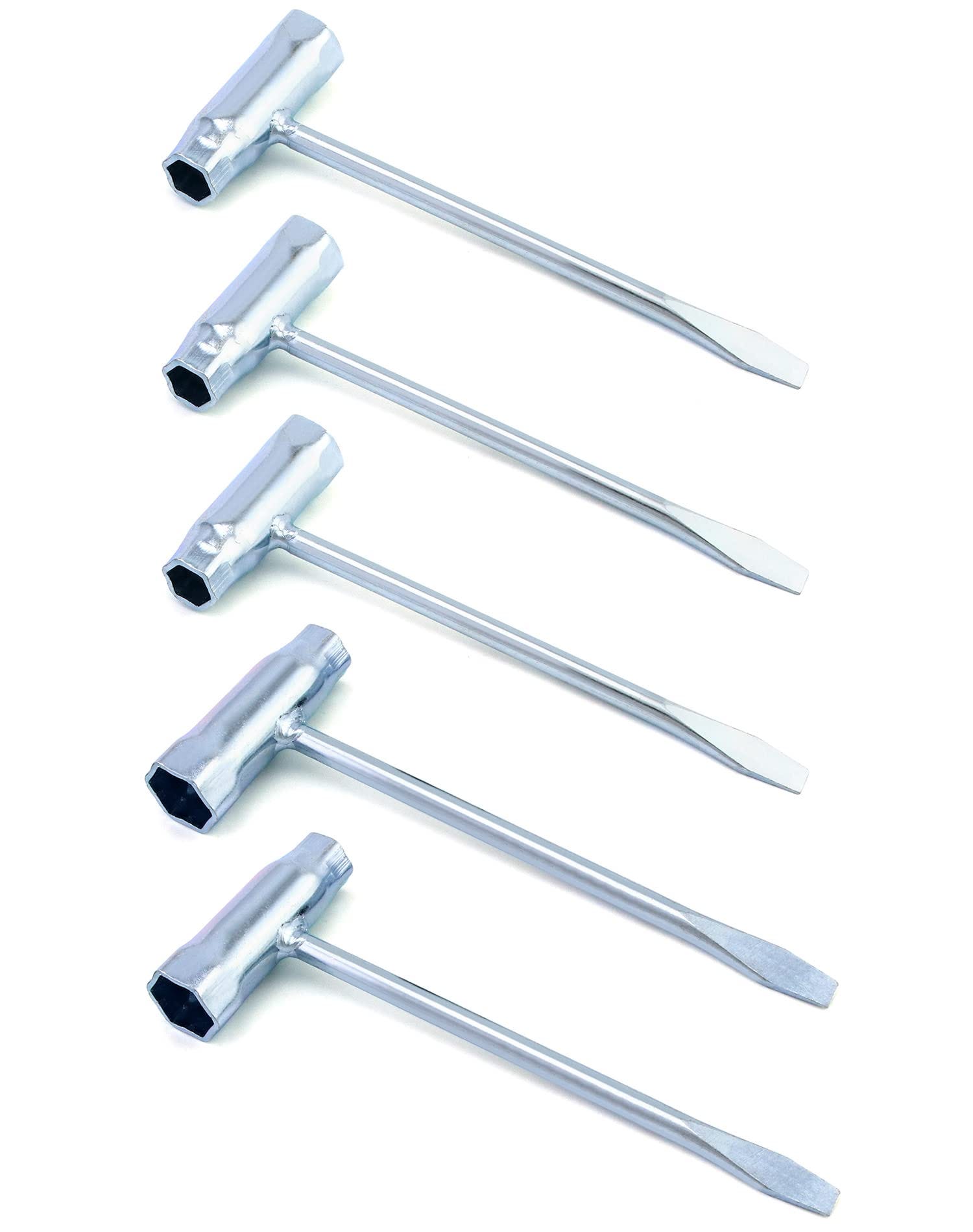
a chainsaw tightening tool
And much, much more.3
So what merits reflection here? I couldn’t help but stop and think: is there anything I am this competent at?
Even accounting for the age difference (he has just under 30 years on me), what is there that we could walk through and you could point at and I could say “this works in such-and-such a way, while that is essential to x functions, and the other thing is critical for operations of y thing” etc etc etc?
I don’t even necessarily mean physical things. Even in my area of specialty—could I read a law or a bit of philosophy and immediately know what it was for, where it came from, and what it’s function is? Could I look at a law and see all the critical parts and how it fits in? Heck, can I even walk through the Declaration of Independence not just at the surface level (as I am doing on this Substack) but in a way that has really internalized the nuts and bolts of it?
Well… maybe. But probably not.
Hopefully you can see where this challenge comes in. I don’t know what (if any) action steps are called for. But I know for a fact that I would like to reach the stage of my life that my relative is at and have internalized something as usefully and well as he has. There needs to be something that I know backwards and forwards almost without reflection.
Whether that will actually happen, time will have to tell.
In the interests of continuing to be fair, I suppose he might have been wrong in some of his identifications. But since I don’t know I’m going to give him the benefit of the doubt. Also, I would be very surprised if he were wrong.
None of these pictures are the actual parts or machines we were working with, but they’re better pics than I could have taken anyway.
But I’m tired of googling equipment that I only vaguely remember what it was called, what year it was, etc.